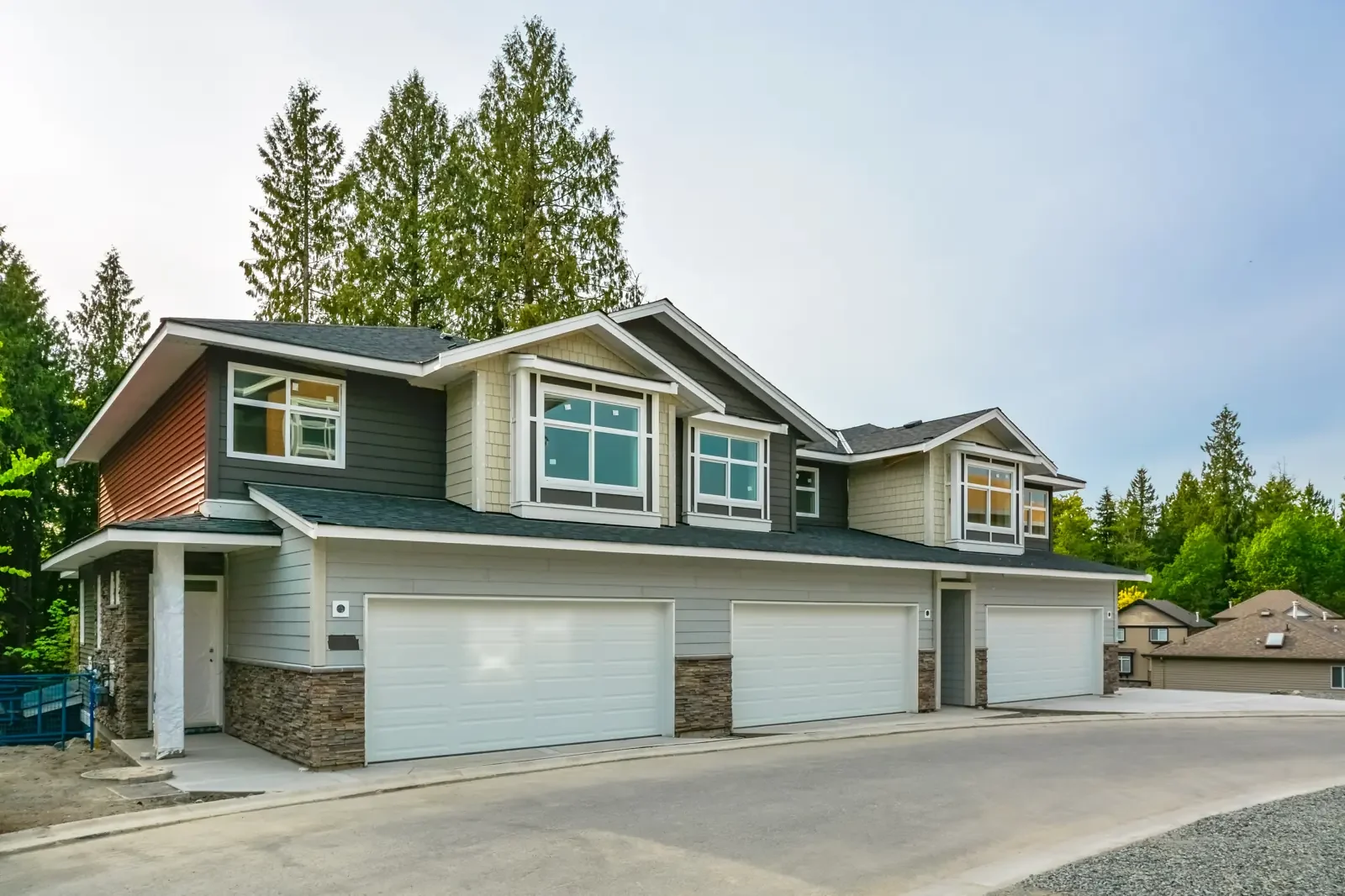
Your Friendly Legal to Buying a Duplex Home
At Wilson & Beam Lawyers, we’ll help you tackle everything from contract reviews to zoning rules, making sure you avoid common pitfalls and unexpected headaches. This guide is designed to keep things simple and straightforward, so you can feel confident with every step you take.
Whether this is your first duplex or part of a bigger plan, knowing the legal basics will protect your investment and give you peace of mind.
What is a Duplex and Why Consider Buying One?
A duplex is a residential building divided into two separate living units, typically side-by-side or one above the other. Each unit has its own entrance, kitchen, bathroom(s), and living spaces.
Here’s why a duplex might be a great fit for you:
- Income Potential: You can live in one unit and rent out the other, helping offset your mortgage and expenses.
- Investment Growth: Duplexes can appreciate in value and provide steady cash flow through rent.
- Flexibility: Duplexes often appeal to multi-generational families or investors looking to house tenants while maintaining privacy.
- More Affordable: Generally, duplexes cost less than buying two separate single-family homes, making them an attractive investment option.
Step 1: Know Your Financing Options
Just like any property purchase, knowing your financial standing is key before buying a duplex. The financing process for duplexes is slightly different than for single-family homes. Here are some essentials to keep in mind:
- Loan Types: You may qualify for a conventional loan, FHA loan (Federal Housing Administration), or other financing options tailored for multi-unit properties. FHA loans, for example, allow you to buy a duplex with as little as 3.5% down if you live in one of the units.
- Down Payment: Typically, down payments for duplexes may be higher than single-family homes, often ranging from 15% to 25%, especially for investment properties. Owner-occupant buyers might find better terms.
- Income Qualification: Lenders consider potential rental income when assessing your ability to repay the loan. This can boost your purchasing power, but you’ll need documentation or reasonable estimates of rent.
- Credit Score: Maintaining a strong credit score improves your chances of getting favorable mortgage terms.
Consulting a mortgage broker familiar with multi-unit properties can help clarify your options and set realistic expectations.
Step 2: Finding the Right Duplex
Choosing a duplex that fits your goals requires a bit of research and planning. Here are some points to keep in mind:
- Location, Location, Location: Consider neighborhood safety, schools, amenities, and proximity to your workplace. Also, check local rental demand if you plan to lease one unit.
- Condition of the Property: Duplexes often come with two separate living spaces, so inspect both units thoroughly. Pay attention to the roof, foundation, plumbing, electrical systems, and HVAC in each unit.
- Separate Utilities: Ideally, each unit should have separate utility meters (electric, water, gas). Shared utilities can complicate billing and tenant management.
- Zoning and Restrictions: Confirm that the property is legally zoned as a duplex and that there are no restrictions limiting your plans, such as short-term rentals or renovations.
- Rental History: If possible, review the rental history, lease agreements, and tenant records. This helps you understand cash flow, occupancy, and potential tenant issues.
Working with a knowledgeable real estate agent experienced in multi-family properties will make your search easier and help you avoid costly mistakes.
Step 3: Making an Offer and Negotiating
Once you find a duplex you like, the next step is making an offer. Here’s what you should expect:
- Drafting the Offer: Your agent or lawyer can help you prepare an offer outlining the purchase price, contingencies, and deadlines. Contingencies might include a home inspection, financing approval, and clear title.
- Negotiation: Duplex sales can involve back-and-forth negotiations. You might request repairs after the inspection or ask for price adjustments based on rental income or property condition.
- Earnest Money Deposit: Typically, you’ll submit a deposit showing your serious intent to buy, which will be applied to your down payment or closing costs.
Having Wilson & Beam Lawyers review your offer and contract ensures that your rights are protected and that the terms are fair and clearly stated.
Step 4: The Inspection and Due Diligence
A thorough inspection is critical when buying a duplex because you’re essentially buying two homes in one. Consider these steps:
- Home Inspection: Hire a licensed home inspector to check both units comprehensively. Look for structural issues, pest infestations, mold, outdated wiring, plumbing leaks, and roof condition.
- Rental Inspection: If the units are currently rented, make sure they comply with local housing codes and safety standards.
- Appraisal: Your lender will order an appraisal to verify the property’s value, often considering rental income in the valuation.
- Title Search and Insurance: A title search confirms there are no liens, unpaid taxes, or ownership disputes. Title insurance protects you if any issues arise after purchase.
If problems surface during inspection or title search, Wilson & Beam Lawyers can advise on how to address them — whether through renegotiation, repairs, or legal remedies.
Step 5: Understanding Lease Agreements and Tenant Rights
If you plan to rent out one or both units, understanding landlord-tenant law is crucial. Here’s a quick overview:
- Lease Agreements: Written leases should clearly define rent amount, due dates, security deposits, maintenance responsibilities, and rules for tenants.
- Security Deposits: Regulations vary by state on how much you can collect and how it must be handled.
- Tenant Rights: Tenants have legal protections regarding eviction notices, habitability standards, and privacy. Familiarize yourself with local laws to avoid legal pitfalls.
- Property Management: You can choose to manage the property yourself or hire a property manager to handle tenant communications, rent collection, and maintenance.
Wilson & Beam Lawyers can draft and review lease agreements and advise you on landlord responsibilities to keep your rental business compliant and smooth-running.
Step 6: Closing the Sale
The closing process finalizes your duplex purchase. Here’s what happens:
- Review Closing Documents: These include the deed, mortgage documents, closing disclosure (cost breakdown), and title insurance policy.
- Funds Transfer: You’ll pay your down payment, closing costs, and lender fees.
- Signing: You’ll sign all necessary paperwork in front of a notary or closing agent.
- Recording: The deed is recorded with the county, officially making you the owner.
- Key Handover: Once closed, you receive the keys and can start your new chapter as a duplex owner.
Our legal team at Wilson & Beam Lawyers can attend your closing to answer questions and ensure everything is handled properly for your peace of mind.
Unique Legal Considerations When Buying a Duplex
Compared to single-family homes, duplexes bring some specific legal nuances to watch out for:
- Shared Walls and Easements: You’ll share walls and possibly yards or driveways with the other unit. Understand maintenance responsibilities and any shared agreements.
- HOAs or Neighborhood Associations: Some duplexes belong to homeowner associations that impose rules on exterior appearance, rentals, and shared areas. Be sure to review these rules before buying.
- Insurance: Duplexes typically require specialized insurance policies that cover both units and potential rental liabilities.
- Rent Control Laws: In some areas, rent increases and tenant evictions are regulated. Knowing local laws protects you and your tenants.
A real estate attorney can help you navigate these complexities so you buy with confidence.
Why Choose Wilson & Beam Lawyers for Your Duplex Purchase?
Buying a duplex is a major investment, and having trusted legal support can make all the difference. Here’s how we help:
- Personalized Guidance: We tailor advice to your goals — whether you’re an owner-occupant, investor, or first-time buyer.
- Contract Expertise: We draft, review, and negotiate contracts to safeguard your interests.
- Due Diligence Support: From title searches to inspections and zoning checks, we make sure nothing slips through the cracks.
- Closing Assistance: We handle closing paperwork and can attend your closing to answer last-minute questions.
- Ongoing Legal Support: After purchase, we assist with lease agreements, tenant disputes, or property management issues.
With Wilson & Beam Lawyers by your side, you gain peace of mind knowing your duplex investment is in capable hands.
Helpful Tips for Duplex Buyers
- Do Your Homework: Research neighborhoods, rental demand, and property history thoroughly.
- Budget Wisely: Factor in renovation costs, vacancies, and unexpected repairs.
- Get Professional Help: Use a real estate agent, mortgage broker, and lawyer experienced with duplexes.
- Be Clear on Your Goals: Decide if you want long-term rental income, owner-occupancy, or flipping. Your strategy shapes your buying choices.
- Keep Communication Open: If buying from tenants or investors, maintain good communication throughout the process.
Buying a duplex offers exciting possibilities—both as a home and as a source of income. But it also comes with unique challenges and legal considerations. Wilson & Beam Lawyers is here to make your duplex purchase as smooth and secure as possible, helping you avoid costly pitfalls and set yourself up for success.
Ready to take the next step? Contact Wilson & Beam Lawyers today to discuss your duplex buying goals and get expert legal guidance tailored to your needs. Let’s make your duplex investment a win for your future!